

Top 11 Indoor Fireplace Safety Tips
There’s nothing quite like the comfort of a real fire on a cold evening, but enjoying a fireplace safely requires more than simply lighting a log and sitting back. From the type of firewood you burn to how well your chimney is maintained, small details can make a big difference to both safety and efficiency. Using poor-quality wood, neglecting ventilation, or overlooking regular checks can all increase the risk of smoke issues, carbon monoxide build-up, or even chimney fires.
By following proven indoor fireplace safety tips and adopting good wood burning habits, you can reduce risks while getting the most warmth from your fire. Whether you burn logs regularly throughout winter or only occasionally, these 11 essential tips will help you keep your home safe, clean, and comfortable whenever your fire is lit.
1. Use Kiln Dried Firewood
kiln dried firewood is one of the safest and most efficient fuels you can use indoors. Because it has been dried in a controlled environment, it has a consistently low moisture content, typically below 20%, which allows it to burn hotter and cleaner than unseasoned wood. This means less smoke, fewer emissions, and reduced creosote build-up inside your chimney.
You can usually identify kiln dried logs by their lighter weight, visible cracks at the ends, and the sharp sound they make when knocked together. Burning properly dried logs helps protect your stove or fireplace, improves heat output, and significantly lowers the risk of chimney-related issues over time.
2. Regular Chimney Inspections
A well-maintained chimney is essential for safe indoor fires. Over time, soot, debris, and creosote can build up inside the flue, restricting airflow and increasing the risk of chimney fires. Having your chimney inspected at least once a year helps identify blockages, damage, or excessive build-up before they become a problem.
While visual checks can be done at home, professional inspections are far more thorough. Chimney specialists have the tools and experience needed to spot hidden issues, ensuring smoke is safely drawn away from your home and your fireplace operates as it should.
3. Install Carbon Monoxide and Smoke Detectors
Smoke and carbon monoxide detectors are a critical safety measure for any home with a fireplace or wood-burning stove. These detectors provide early warnings of smoke or harmful gases, giving you valuable time to act before a situation becomes dangerous.
Install detectors on every level of your home and near sleeping areas, testing them regularly to ensure they are working correctly. Batteries should be replaced at least once a year, and detectors themselves should be upgraded according to the manufacturer’s guidance to maintain reliable protection.
4. Maintain Proper Ventilation
Adequate ventilation is essential for a safe and efficient fire. Fires require a steady supply of oxygen to burn properly, and without it, smoke and gases can spill back into your living space. Allowing fresh air into the room, even slightly, helps maintain good airflow and supports cleaner combustion.
If you notice smoke lingering indoors, unpleasant smells, or difficulty keeping the fire burning evenly, it may indicate a ventilation issue. These problems should be addressed promptly, as restricted airflow can lead to poor performance and increased safety risks.
5. Use a Fireplace Screen
A fireplace screen provides a simple but effective layer of protection between your fire and your living space. Sparks, embers, and rolling logs can escape unexpectedly, especially when logs shift as they burn, and a secure screen helps prevent accidental fires.
Screens come in a range of styles and materials, including mesh, glass, and metal. Whichever option you choose, it should fully cover the fireplace opening and fit securely to ensure maximum protection while still allowing you to enjoy the view of the fire.
6. Store Firewood Correctly
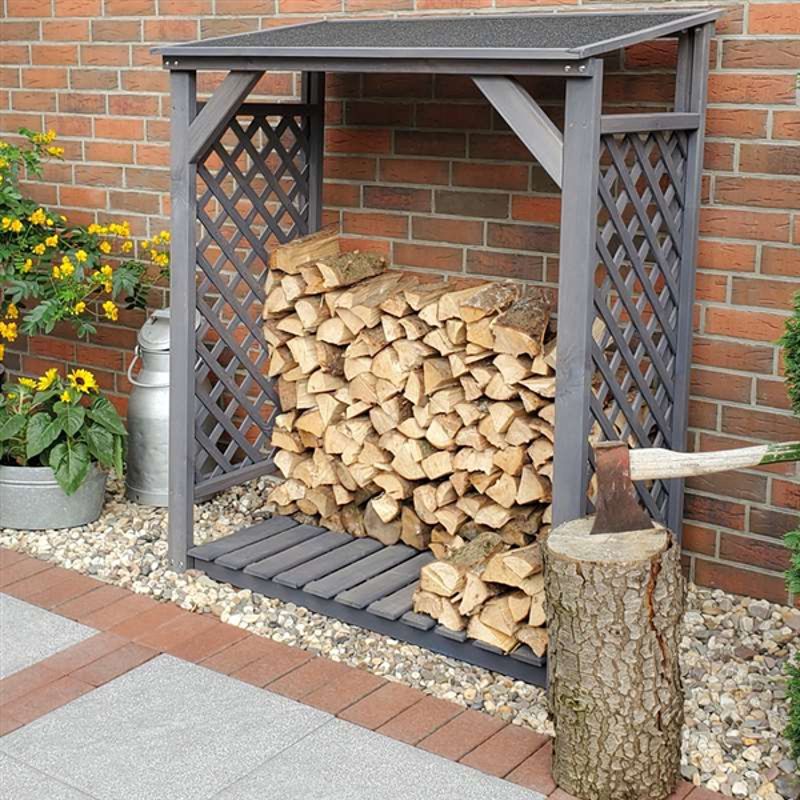
Proper firewood storage plays an important role in both safety and performance. Logs should be stored off the ground and away from walls to prevent moisture absorption and discourage pests. Outdoor storage should be positioned a safe distance from your home to reduce fire risk and keep insects outside.
Indoors, it’s best to store only a small amount of firewood at a time. This makes logs easily accessible while limiting the chance of introducing insects or excess moisture into your home. A dedicated log basket or rack keeps things tidy and well organised.
7. Use The Right Firewood Tools & Accessories
Having the correct tools makes managing a fire safer and easier. A good firewood tool set allows you to move logs, adjust burning wood, and clean up ash without putting your hands too close to the flames. Keeping the area around your fireplace tidy also reduces the risk of accidental fires.
Using a wood moisture meter is another helpful safety measure. Checking moisture levels before burning helps ensure your logs are dry enough for indoor use, reducing smoke and improving combustion while protecting your stove and chimney.
8. Clean the Fireplace Regularly
Regular cleaning helps maintain safe airflow and efficient burning. Ash and debris should be removed frequently, as excessive build-up can restrict airflow and make it harder to control the fire. Allow ash to cool completely before disposal and store it safely until you’re sure it’s no longer warm.
In addition to routine cleaning, deeper cleaning should be carried out several times a year. This includes removing soot from the firebox and ensuring no debris has accumulated in areas that could pose a fire risk over time.
9. Follow Safe Wood Burning Practices
Choosing the right type of wood is just as important as how you burn it. Hardwoods such as oak, birch, and maple burn longer and produce steady heat, making them ideal for indoor fires. Treated, painted, or contaminated wood should never be burned, as it releases harmful fumes.
When building a fire, start small and gradually add larger logs as the fire establishes itself. Overloading the fireplace can cause excessive heat, increased smoke, and unnecessary strain on your chimney system.
10. Never Leave a Fire Unattended
An unattended fire can quickly become dangerous. Even a well-controlled fire can change unexpectedly if a log shifts or airflow changes. Always remain in the room while the fire is burning, and never leave it unattended, especially overnight.
When you’re ready to let the fire go out, allow it to burn down naturally. Spreading embers and covering them with ash helps ensure everything is fully extinguished before you leave the room or go to bed.
11. Educate Everyone in the Household
Fireplace safety should be understood by everyone in your home. Taking time to explain safe behaviour around fires, particularly to children, helps prevent accidents and ensures everyone knows what to do in an emergency. Make sure all household members understand how to operate the fireplace, recognise warning signs, and know where safety equipment such as fire extinguishers is kept. Clear guidance and shared responsibility go a long way in maintaining a safe home.
By following these indoor fireplace safety tips, you can enjoy the warmth and atmosphere of your fire with greater peace of mind. Safe practices, regular maintenance, and the right fuel all contribute to a cleaner, more efficient, and safer fire every time. Remember, safety starts with using quality kiln dried firewood and following essential wood burning tips to keep your home warm, comfortable, and protected throughout the colder months.